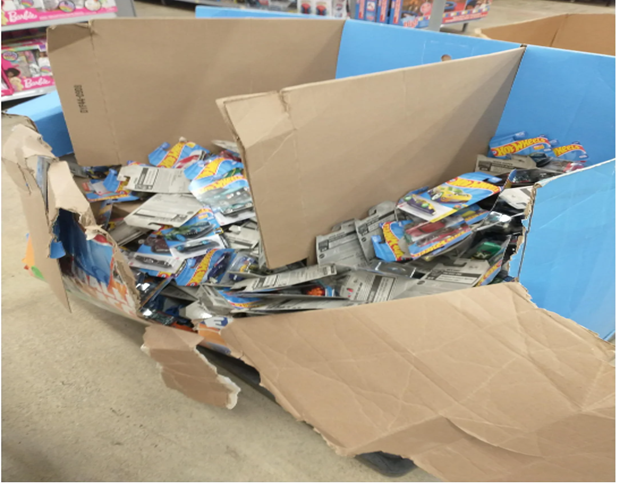
We often hear from first-time buyers or marketing teams working on tight timelines: "It's just cardboard, right?" But in the world of retail, durability is everything, especially when your brand's reputation is on the line in-store.
Corrugated displays are designed to be temporary, but that doesn't mean they should be weak or short-lived. Choosing the wrong material for your display, even to save a few dollars, can result in sagging shelves, torn edges, or worse, a collapsed unit that takes your product off the floor entirely.
A display that fails in-store doesn't just impact sales, it can damage relationships with retailers and harm your brand's credibility with consumers.
To avoid costly errors, consider these three critical factors when choosing the flute strength and board grade of your display:
Yes, cost matters. But cutting material strength to reduce your upfront spend might result in higher downstream costs: damaged product, missed sales, and even retailer penalties.
The right board grade may only add pennies per unit, but it's insurance that your display performs as intended, for as long as needed.
At Hawver, we've been engineering durable, high-performance displays for 44+ years. From beverage cases to beauty endcaps, we know how to balance strength and budget without compromising integrity.
Contact us today at Derek@hawver.com for design advice, quotes, or a quick sanity check on your next display build.